


Resection of the apex of the tooth root
Resection of the root of a tooth (more precisely, its tip) is one of the modern dental operations aimed at preserving the dental unit. It may be required in case of inflammatory pathologies in the formation of a granuloma or cyst near the tooth root, for example, after endodontic treatment that did not have positive dynamics, or due to a medical error during treatment. In professional language, resection of the apex of the tooth root is also called "apexectomy" or "partial amputation of the tooth root".
In our DENTART clinic in Kyiv, experienced dental surgeons perform tooth-preserving operations and, if necessary, perform tooth root resection. Also, our specialists will do everything in their power to prevent such surgical manipulation, because, for example, endodontic treatment is performed under a microscope, which makes it possible to eliminate errors and minimize the risk of complications in case of pulpitis, periodontitis, or injuries.
Make an appointment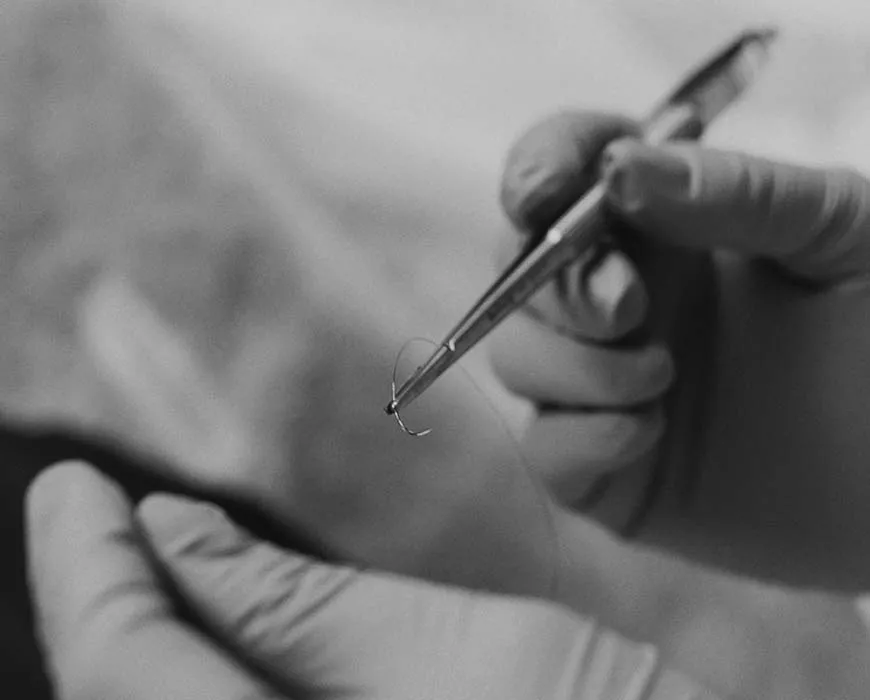
Our doctors



Initial consultation with a dental surgeon
What is root resection?
Resection is a surgical manipulation to remove the tip of the tooth root, which is affected by the infection. The operation makes it possible to preserve the dental unit in case of complications of inflammatory pathologies, including the formation of granulomas or cysts. Manipulations are carried out not in the crown, but near the root, which, for example, allows you not to remove the filling and/or remove the crown or other orthodontic structure.
Tooth root resection is aimed at eliminating the focus of infection and pursues the following goals:
- termination of the inflammatory process;
- preserving the chewing functions of the dental unit;
- prevention of tooth extraction and the need for implantation or installation of a bridge-like prosthesis.
Why is resection of the apex of the tooth root necessary?
There are several main reasons why surgeons of our Dent art clinic have to perform this tooth-preserving operation:
- careless attitude of the patients themselves. This includes improper care of the oral cavity, late referral to a doctor for inflammatory dental diseases, etc.;
- injuries. Due to damage to hard dental tissues, the development of neoplasms, such as cysts, is possible. For some time, they may not make themselves known, because they are in "sleep mode". They are discovered accidentally during the diagnosis of neighboring teeth or already during the exacerbation and development of purulent processes;
- mistakes of doctors during the treatment of dental canals, which lead to their infection.
To avoid the need for tooth root resection, even in the absence of complaints, you need to visit the dentist every 6 months, and entrust endodontic treatment to qualified specialists. At DENTART, we perform it with dental optics, which eliminates errors and infection of the canals.
Indications for tooth root resection
- lack of effect from therapeutic treatment of tooth root inflammation:
- large size of the cyst;
- low-quality endodontic treatment;
- an inflammatory process next to a pin or a stump tab of a tooth.
Contraindications to resection of the apex of the tooth root
Dental contraindications for this tooth-preserving operation are considered to be:
- pathological tooth mobility due to periodontitis;
- injuries to the root part of the tooth;
- perforation (puncture) of the root during endodontic treatment.
How is resection of the tip of the tooth root performed in our DENTART clinic?
Let's list the main stages of this tooth-saving operation:
- Diagnostics to determine the tactics of actions.
- anesthesia with local anesthesia (or another method, if necessary).
- incision, removal of the gums and providing access to infected tissues at the root.
- curettage, i.e. removal of inflamed soft tissues and cysts (if any).
- washing and direct removal of the root tip.
- mechanical and medical treatment of the preserved part of the root.
- filling of canals with special endodontic cement.
- filling of the cavity that occurred after removing the root tip.
- suturing the wound with suturing.
- informing the patient about the rules of care and agreeing on a second visit.
Root resection is performed in one session and, as a rule, lasts about an hour. After that, a return visit date is set (usually a week later). It is needed to remove stitches, assess the healing of the defect and the condition of the tooth, and make sure there are no complications.
Recovery and recommendations after tooth root resection
Removal of a part of the tooth root is considered a low-traumatic procedure. In this regard, the recovery process does not take much time (up to 3-5 days) and is rarely accompanied by severe discomfort. In the first days after the resection, soft tissue swelling, slight pain and discomfort in the area of manipulation are possible. On an individual basis, our doctor gives recommendations for oral care, and if necessary, prescribes medications, including antibacterial or anti-inflammatory drugs.
Basic recommendations for the first days after surgery:
- Follow all doctor's prescriptions;
- quit smoking (or at least minimise it);
- do not drink alcohol;
- refuse hard food;
- brush your teeth carefully: using a brush with soft bristles;
- refrain from intense physical activity.


