


Zygoma dental implantation
When teeth are lost, classic implantation is considered the most effective way to restore them. But in the case of bone atrophy, it must be preceded by osteoplasty (augmentation). Plus, there may be contraindications for such manipulations. In the past, uncomfortable removable dentures were the only alternative. Now we have another, more effective solution: zygomatic implants.
They minimize the risk of complications and rejection and are suitable for patients of different ages and/or with maxillary sinus pathologies. Today this technique of implantation is becoming more widespread (and therefore more attractive in terms of price) and in particular used by our qualified specialists at DENTART clinic.
Make an appointment
Benefits of zygomatic implants Zygoma
- Quick restoration of lost teeth with immediate loading. Thus, both the aesthetic issue and the problem of restoring masticatory function are solved immediately.
- Implantation without bone augmentation.
- Minimal risk of complications and problems with implantation. High quality products like Zygoma implants are used so they will serve you for the rest of your life.
- It allows you to avoid inconvenient removable prostheses and simplify oral care.


Our doctors
We are a team that loves what we do and genuinely cares about you. It's important to us not only what we do, but how we do it — with warmth, respect, and a sincere desire to make your life better.
All doctors


Implantation
- Initial appointment with an implant surgeon
- One-stage implantation (immediately after tooth extraction)
- Two-stage (classical) dental implantation
- Implantation with complete absence of teeth (complete adentia)
- Implantation without surgery (according to the surgical template)
- ALL-ON-4 implantation
- All-on-6 implantation
- Nobel Implants
- Straumann Implants
- Customized Implant Implantize Compact
What is the difference between zygomatic and classic dental implantation?
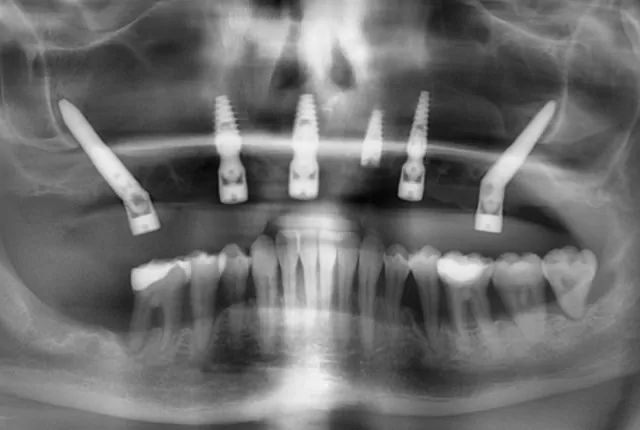
The main difference is that zygomatic implants are placed in the zygomatic bone (cheekbone). This bone is denser and stronger in structure. Additionally, it is not prone to atrophy, making it a reliable support for implanted artificial roots literally at any age.
Furthermore, zygomatic dental implantation, unlike conventional methods, is performed more quickly: preliminary bone augmentation procedures are not required, and after implant placement, there is no need for a healing period, subsequent gingival former placement, waiting for healing, and so on.
The zygomatic implants themselves differ from conventional ones in their increased length and special shape. This innovative solution was first proposed by the Swiss company Nobel Biocare. Their Zygoma implants became groundbreaking in dental implantation. These products come with a lifetime warranty, and osseointegration is generally ensured even in the most complex cases.

Zygomatic (Cheekbone) Implantation
Classic (two-stage) implantation
-
Anchored in the zygomatic boneExtra-long implants are fixed in the zygomatic (cheek) bone.
-
No prior bone grafting necessaryOsteoplastic (bone augmentation) procedures are not needed beforehand.
-
Immediate restorationA temporary prosthetic restoration is placed right after implant surgery.
-
High reliability with few contraindicationsZygomatic implants show strong integration rates and can be used even when bone grafting isn’t feasible (e.g., in some cases of chronic sinusitis).
-
Implant placement in the jawboneThe traditional protocol involves inserting the implant into the alveolar bone.
-
Sinus lift often requiredWith significant bone atrophy in the upper jaw, bone augmentation (sinus lifting) is typically necessary.
-
Delayed loadingIn the classic two-stage approach, the crown (or other prosthetic restoration) is placed 3–6 months after surgery.
-
High reliabilityA predictable, well-established method. However, it may have specific contraindications and can require bone grafting in cases of jawbone atrophy.
Indications for Zygomatic Implants
Zygomatic dental implantation is used in cases where other (conventional) methods are unsuitable for various reasons. Currently, zygomatic implants are recommended for:
- Complete or partial tooth loss in the upper jaw.
- Atrophy of the upper jawbone tissue caused by trauma, prolonged edentulism, or serious chronic pathologies.
- Failed conventional implantation (rejection) or sinus lift procedures. In such situations, zygomatic implantation is an advantageous alternative to removable dentures or complex, expensive, and lengthy bone grafting procedures.
- Diseases of the maxillary sinuses that contraindicate bone grafting and conventional implantation.
- Inability to wear removable dentures. This includes individual intolerance, gag reflexes, or allergic reactions.
- Elderly patients.
- Cases requiring rapid dental arch restoration.
Preliminary examinations
Like with any dental implantation, high-quality and detailed preparation is the key to the success of the procedure. First the doctor must analyze the feasibility of the zygomatic implantation, which requires more imaging apart from examination and questionnaires. A panoramic image is not enough to make a decision: a CT scan is also required, as well as detailed blood work to assess the general state of health. For chronic diseases, the dentist may also refer the patient to allied health professionals.
Stages of Zygoma Implantation
After the initial consultation with an implantologist, CT scan and other diagnostics, the following work is performed as part of the Zygoma dental implant procedure:
1
Anesthesia
This implantation method is performed under sedation (treatment while asleep) or with local anesthesia.
2
Zygomatic implant placement
The implant surgeon makes an incision in the gums to access the zygomatic bone and installs the Zygoma implant at the required angle.
3
Temporary prosthesis placement
In the case of zygomatic implantation, a temporary prosthesis is installed almost immediately—typically within a week. Masticatory loading accelerates osseointegration and reduces the risk of complications.
4
Fabrication and installation of the permanent prosthesis
A few months after implantation, a permanent prosthesis is manufactured in a dental laboratory, and our prosthodontist installs it for the patient.
Questions and answers
-
Who are Zygoma implants suitable for?
Our oral surgeons may recommend zygomatic implants for patients with pronounced bone atrophy in the upper jaw who have contraindications to sinus lifting, as well as for older patients who have long been missing most of their teeth. This approach is also often appropriate when rapid smile restoration is needed or when conventional protocols have previously failed.
-
How can teeth be restored if there isn’t enough bone for standard implants?
At DENTART, several options are available in cases of bone deficiency: zygomatic implants; preliminary bone-grafting procedures followed by conventional implant protocols; and an innovative option—custom, patient-specific implants fabricated to your anatomy (taking into account your individual jawbone condition).
-
How much do zygomatic implants cost in Kyiv?
The price of a turnkey treatment plan is determined individually, factoring in diagnostics and preparation. The zygomatic implants themselves (JDental Zygoma) cost UAH 34,000 at DENTART. Full pricing details are provided during a consultation with our implant surgeon.
-
Is zygomatic implant surgery painful?
No. Placement is performed under local anesthesia, deep sedation, or other analgesic methods. After surgery, mild discomfort—such as a dull ache or swelling—is considered normal and short-lived. Your doctor will recommend appropriate medications to help you feel comfortable.
-
Which is better: bone grafting or zygomatic implants?
There is no universal answer—it depends on the patient and the clinical situation. For example, if the upper jaw shows severe bone loss and there are sinus pathologies that preclude sinus lifting, zygomatic implants may be the most suitable option. They’re also preferable when rapid restoration is required despite limited bone. If, however, bone grafting is feasible and provides a solid basis for conventional protocols, your implant surgeon will recommend that route.


