


Prosthetics (orthopaedics) in Kyiv
- We take on the most complex cases
- Treatment without pain
Prosthodontic treatment is a dental procedure that makes it possible to restore teeth that are damaged or that need to be replaced after extraction. At DENTART we use premium prosthetic solutions — zirconia crowns, veneers and lumineers, ceramic onlays — and carry out a full diagnostic work-up, including CT, digital scanning and a trial of your future smile. With us, prosthodontic treatment in Kyiv is painless, high-quality and comfortable, ensuring full restoration of chewing function and smile aesthetics. Book a consultation with our prosthodontist to learn more.
Make an appointment

Prosthetics (orthopaedics) in DENTART
The professional team at DENTART guarantees our clients the following advantages of dental prosthetics in Kyiv:
- We offer all modern methods of dental restoration.
- We use only high-quality orthopedic structures, including E-max ceramic crowns, zirconia crowns with Multi Layered veneering, etc.
- We ensure comfort and pain-free experience for our patients at every stage of treatment.
- We take on the most complex dental prosthetic cases. Therefore, please contact us if you've been told elsewhere that nothing can be done to help.
- We develop a comprehensive treatment plan, from initial preparation and diagnostics to recommendations for maintaining orthopedic structures after installation.
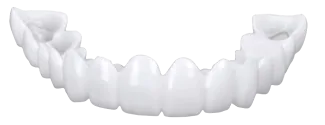
- We offer a preview of your future smile (our Digital Smile Design service). Before treatment begins, you can see how your teeth will look after prosthetics. There are two Digital Smile Design options - digital smile modeling with photo demonstration, and the creation of a plastic mock-up for try-on.
- We clearly define prosthetic treatment timelines so you know exactly when even the most extensive and complex treatment will be completed.
- We conduct consultations with orthopedic gnathologists who assess the temporomandibular joint condition and, if necessary, perform additional diagnostic and therapeutic procedures, including photo protocols, articulator use, etc.
- We assign a personal treatment coordinator - a manager who accompanies you at every stage of treatment, reminds you of scheduled visits, etc.
- We have three dental centers in Kyiv with comfortable conditions for our patients.
Orthopaedic dentistry specialises in replacing lost teeth and/or restoring a full set of teeth through dentures. Modern dental orthopaedics offers a range of techniques which are actively being improved.
At DENTART, we can offer you different prosthetic methods and help you find the optimum one, which is always painless and of good quality.
Price


Our doctors




Prosthetics (orthopaedics)
The main types of prosthetics offered by our clinic DENTART
Ceramic Inlays
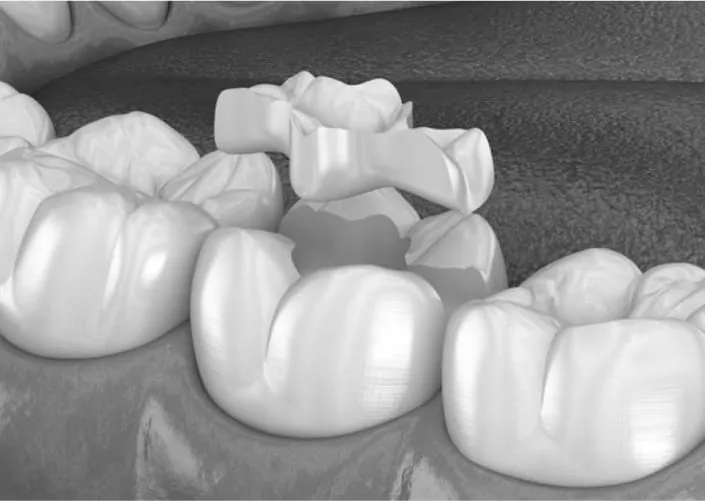
These structures are also called dental micro-prostheses. They are recommended for restoring molars with relatively minor destruction and damage (loss of less than 50% of the tooth's crown portion). These prosthetic structures are considered a more reliable alternative to tooth restoration using filling materials. Tooth restoration using ceramic inlays is possible in cases of decay damage, trauma, and other pathologies, provided that the use of crowns is not yet necessary.
- Which teeth are inlays used for?For molars.
- When are they used?For relatively minor damage, when crowns are premature to use, and conventional fillings won't last as long as desired.
- How are inlays installed at DENTART? Usually two visits to the clinic are required. After initial examination and cavity treatment (and/or removal of old fillings), digital impressions are taken. The patient receives a temporary restoration while the structure is being manufactured in the dental laboratory. Once the inlay is ready, it is permanently fixed.
Dental Crowns
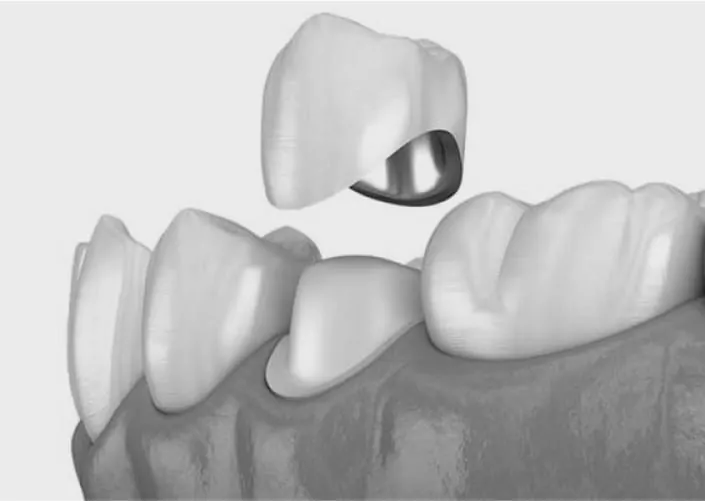
These are one of the most common types of prosthetic structures in modern dentistry. They are used when 50% or more of the tooth unit is destroyed, and also for single tooth loss (fixed on an implant). A crown is essentially a cap that covers the tooth, protecting it from further destruction while ensuring aesthetics and chewing function. In our clinic, we primarily use ceramic and zirconia crowns. The first guarantees perfect aesthetics, while the second provides benchmark reliability and durability.
- Which teeth are crowns used for?For all teeth. Usually ceramic structures are recommended for front teeth, and zirconia for molars.
- When are they used?For quite serious tooth destruction. Moreover, if preserving the unit isn't possible, an implant can serve as support for the crown.
- How are crowns installed? Their manufacturing in a dental laboratory is preceded by tissue preparation, occlusion check, and digital impression taking. A temporary structure is installed while the crown is being made. Before installing the permanent crown, a fitting is mandatory, followed by final fixation.
Dental Veneers
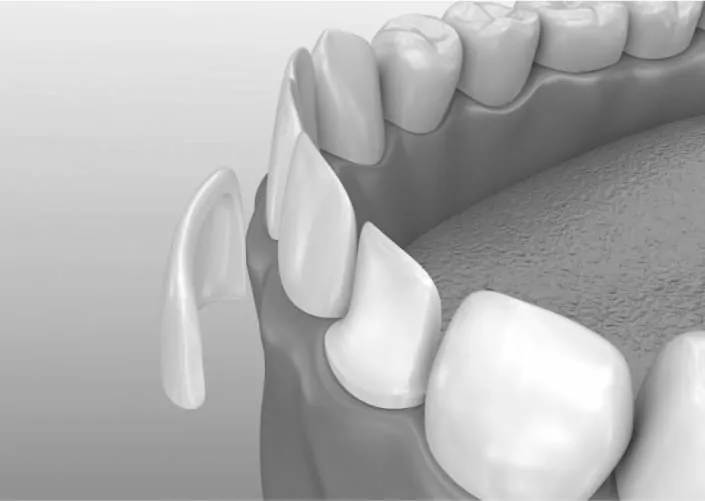
These are another type of micro-prosthesis. Veneers are overlays that cover the facial part of the tooth. They are used to restore smile-zone teeth with relatively minor damage - chips, cracks, enamel discoloration. Veneers can also address other defects, including diastemas (gaps) and minor irregularities of front teeth. They provide perfect aesthetics (so-called Hollywood smile) and protect teeth from further destruction.
- Which teeth are veneers used for? For the smile zone.
- When are they used? For minor damage and aesthetic defects.
- How are veneers installed? This type of dental prosthetics in Kyiv requires minimum 2 visits to the dentist. After minimal preparation (removal of surface tissues), a digital impression is taken, and the veneer is manufactured in a dental laboratory. Once ready, the structure is fixed to the tooth.
Dental Bridges
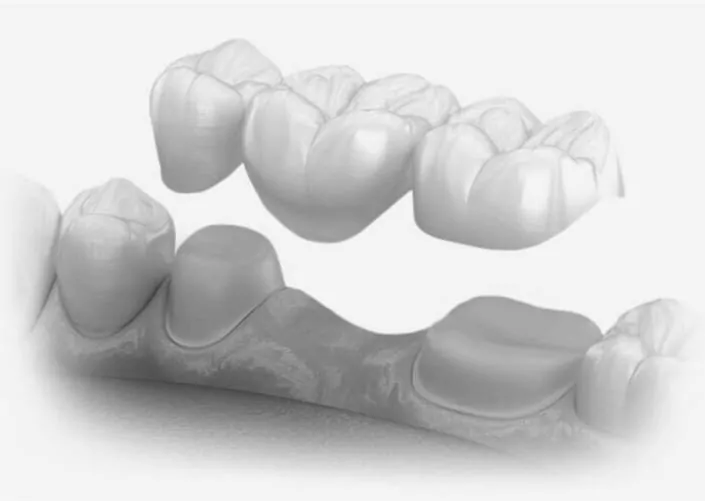
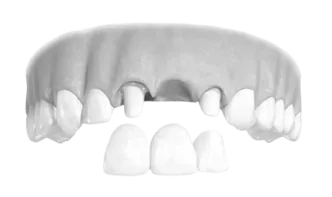
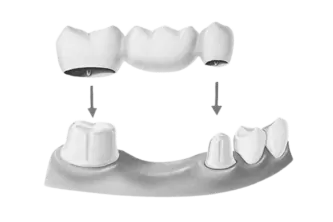
These are fixed structures used to restore one or several adjacent severely damaged teeth that require extraction. A bridge is fixed to neighboring healthy units and increases load on them. While a bridge isn't the most aesthetic or durable prosthetic option, it costs less than implant alternatives.
- Which teeth are bridges used for?For molars.
- When are they used?When one or several adjacent teeth are missing.
- How are bridges installed?The procedure is similar to crown installation but may include additional preparatory stages with problem tooth extraction, treatment of supporting units, etc. Then preparation, impression taking, and bridge manufacturing in the laboratory follow. Once ready, fitting and final fixation are performed.
Removable Dentures
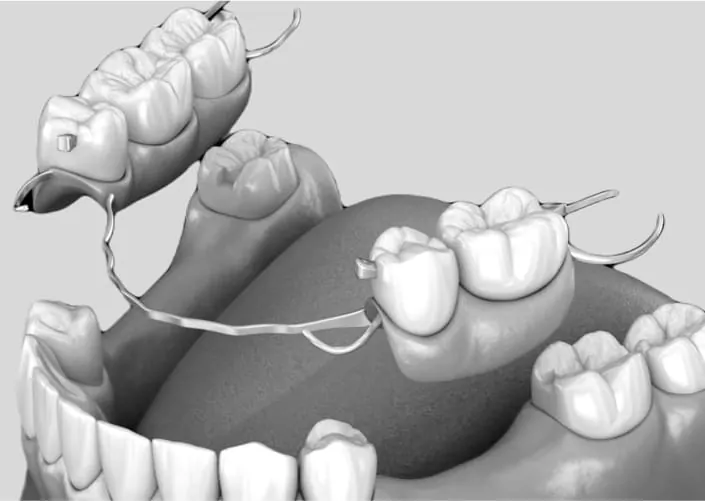
Such prosthetic structures are being used less frequently in modern dentistry. For partial tooth absence on one jaw, clasp dentures with attachment or clasp fixation may be used. The latter are more compact (slightly more aesthetic) and lighter but require more serious preparation before installation. If there are no teeth at all, plate removable structures that suction to the jaw may be used.
- Is removable prosthetics comfortable?Removable dental prosthetics can't be called comfortable for the patient, loses to alternatives in terms of aesthetics and functionality, and its only advantage is affordable price.
- Which type of prosthetics is better? At DENTART we recommend to our patients a more modern, quality, durable, comfortable, and reliable alternative - implant-supported prosthetics.
Implant-supported prosthetics
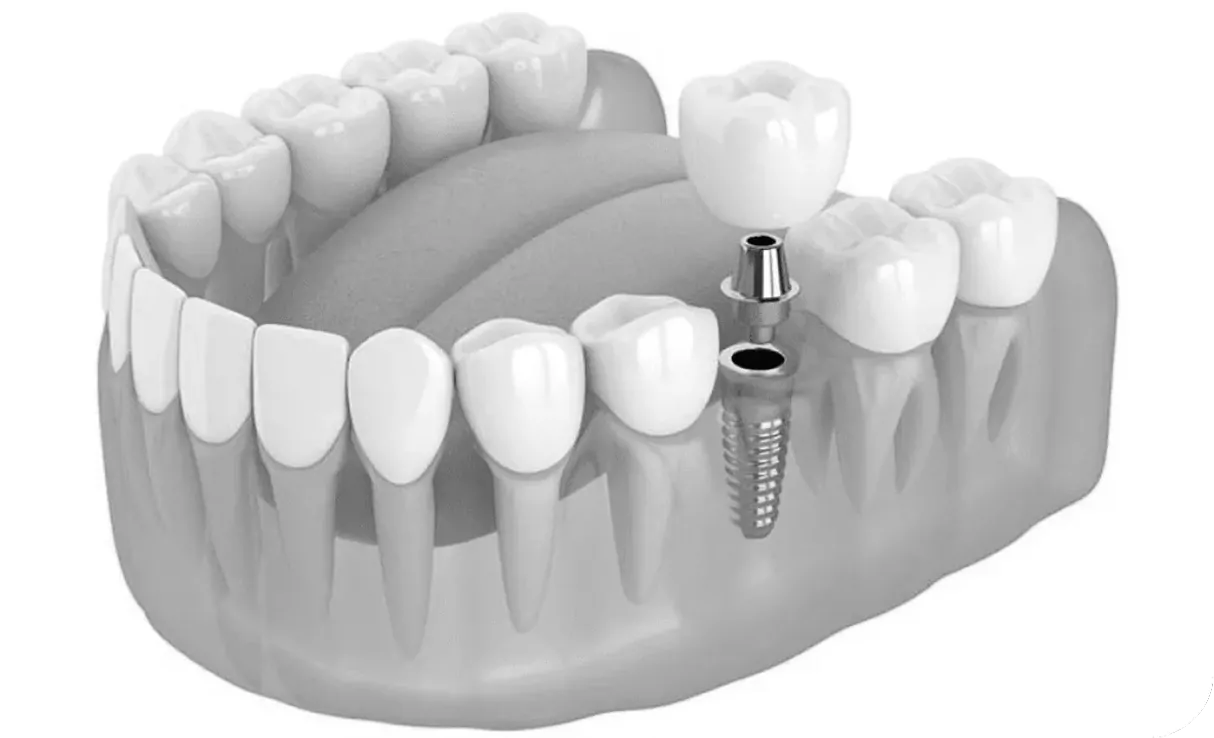
Implant-supported prosthetics involves restoring teeth not on your own tooth or neighbouring teeth (as with dental bridges), but on implants — artificial yet fully biocompatible titanium systems. This approach is considered universal: it is suitable for both posterior (chewing) and anterior teeth. It is also the most advanced option compared with bridgework in cases of a single missing tooth and removable dentures in cases of complete edentulism. Placement of an implant helps prevent bone atrophy and impaired blood supply to the gums, ensures that the crown is ready for intensive chewing loads and delivers benchmark smile aesthetics.
- For which teeth is it used?For any teeth: implant-supported prosthetics is used when teeth are missing or there are indications for their extraction.
- When is it recommended?When it is impossible to preserve severely damaged teeth, in cases of trauma and other complex clinical situations, as well as in partial or complete edentulism (absence of teeth).
- How is implant-supported prosthetics performed at DENTART?Implant-supported prosthetics can be carried out using different protocols depending on the indications and other individual factors. In some cases, immediate implantation is possible: during a single visit the tooth is removed, an implant is placed into the socket and a temporary crown is fixed. Other options include guided surgery using a surgical template or the classical staged approach, where each visit corresponds to one step — tooth extraction (if required), implant placement and delayed prosthetic restoration.
Complete Dental Prosthetics for Missing Teeth
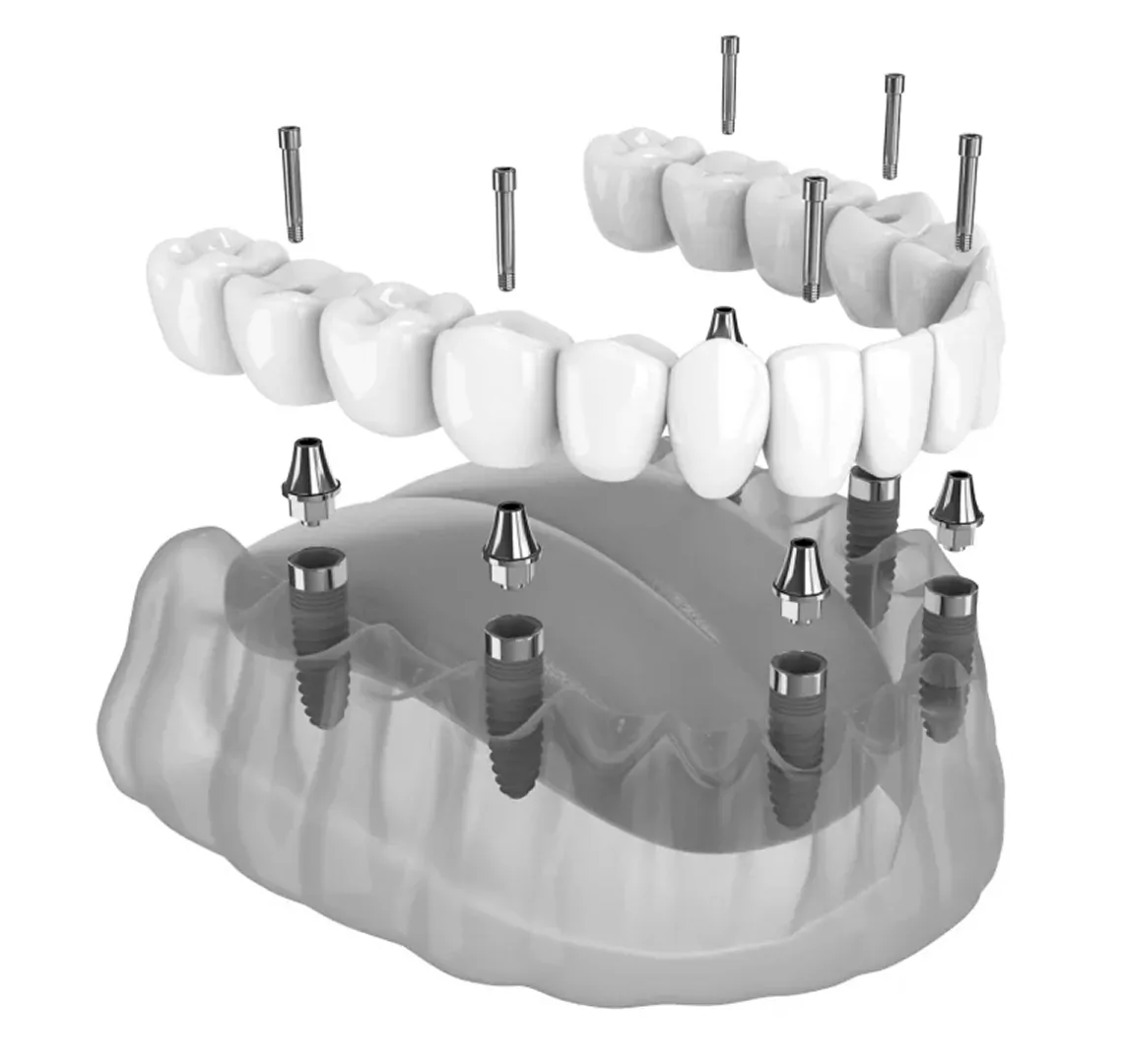
At our DENTART clinic, we perform complete dental prosthetics using the "All on 4" or "All on 6" protocol. These are progressive restoration methods where 4 (or 6) implants on each jaw serve as support for the prosthetic structure. Both methods guarantee perfect aesthetics, functionality, and reliability, while costing significantly less than total implantation.
When is "All on 4" or "All on 6" implantation used? For complete edentulism with bone atrophy, as well as for severely damaged teeth that require extraction.
How is implant-supported prosthetics performed? First, diagnostics and preparation for tooth extraction and immediate implantation are conducted, determining occlusion and bite height, etc. The next stage is the implantation itself, which can be performed with template-guided surgery or using the classical method of titanium pin insertion. Temporary restorations are placed immediately after, followed by permanent ceramic structures later.
Preparation for Prosthetics
Dental prosthetics is a responsible procedure that requires preparatory work. Of course, an initial consultation with a prosthodontist is mandatory. Our specialist conducts a visual examination, answers all patient questions, and determines necessary diagnostic procedures.
Before dental prosthetics, a CT scan is required, which enables comprehensive assessment of the patient's dental system. Only based on CT data should the optimal prosthetic method be chosen and the prosthetic treatment plan prepared. However, sometimes additional diagnostic procedures are also needed.
Other preparatory stages that may precede prosthetics include:
- consultation with a gnathologist or other specialized professionals;
- planning and/or mock-up of the future smile;
- treatment of cavities and other dental and gum diseases;
- extraction of dental units;
- professional oral hygiene.
Stages of Dental Prosthetics
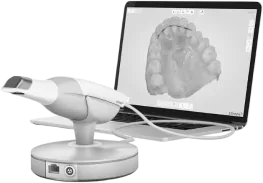
In most cases, after diagnostics and the preparatory stage, fixed prosthetics requires the following steps:
-
Is it possible to pay for prosthodontic treatment in instalments?
Our DENTART clinic in Kyiv is always ready to accommodate patients and, where needed, can provide prosthodontic treatment (and other procedures) with payment in instalments rather than a single lump sum. This approach gives you additional financial flexibility and freedom. After your consultation with the prosthodontist and approval of the treatment plan, you can discuss this with our administrator. Together you will choose a convenient instalment option and agree on the payment schedule and other financial details.
-
How should I care for my dental prostheses?
Care recommendations depend on the type of prosthetic restoration. Fixed dental prostheses require virtually the same care as your natural teeth: home brushing at least twice a day and the use of dental floss, a toothbrush and/or an oral irrigator to remove plaque and food debris from the interdental spaces. Where possible, it is advisable to limit very hard and sticky foods. Professional hygiene at our clinic is recommended every six months. Removable dentures are generally more demanding in terms of care: in addition to brushing, they require rinsing, disinfection and correct storage. Your dentist will give you key recommendations — the specifics will also depend directly on the type and material of your removable prosthetic restoration.
-
Which is better: implants or dentures?
From a functional and aesthetic standpoint, as well as in terms of comfort and longevity, implant placement with subsequent crowns or other prosthetic restorations is preferable to removable dentures or bridges supported by neighbouring healthy teeth. The exception is when a tooth can still be preserved and extraction avoided — in that case, it is usually better to place a crown on the existing tooth. In other situations, implants help prevent bone atrophy and impaired blood supply to the gums. They make it possible to achieve a beautiful smile that is indistinguishable from natural teeth. Crowns supported by titanium implants also cope very well with various chewing loads. By contrast, a conventional bridge or removable denture is superior mainly in terms of initial cost, but will generally have a shorter service life.
-
How long does prosthodontic treatment take?
Preparation for prosthodontic treatment, fabrication and placement of the prosthetic restoration usually takes 10–15 days and requires two (in some cases three) visits to our DENTART clinic in Kyiv. During the first visit we perform diagnostics (if required), prepare the tooth and take digital impressions. Based on these, the dental laboratory fabricates the crown, veneer or other type of prosthesis needed in your case. When the prosthetic restoration is ready, you return for the second visit, during which the prosthesis is fitted and cemented. In more complex tooth-restoration cases, for example implant-supported prosthetics, the overall treatment time may increase to 6–8 months.
-
Is prosthodontic treatment painful?
No. Prosthodontic treatment at our clinic is a painless procedure, as we use local anaesthesia during tooth preparation. If necessary, other anti-stress options can also be offered, including deep sedation (medication-induced sleep). Thanks to digital impressions instead of traditional impression materials at DENTART, discomfort is eliminated even at the impression-taking stage. After the procedure, when the effect of the anaesthetic wears off, patients usually experience only minor discomfort — and very often have no complaints at all.
-
What is the production time for a dental prosthesis?
Dental prostheses are fabricated in the dental laboratory within approximately 7–10 to 14 days. This applies to permanent crowns, veneers, bridgework and other fixed prosthetic constructions. To ensure that the aesthetics of your smile do not suffer during this waiting period and that you do not feel any discomfort at work or in social situations, we place temporary restorations immediately after tooth preparation. They are fabricated directly in our clinic on the day of your visit.


